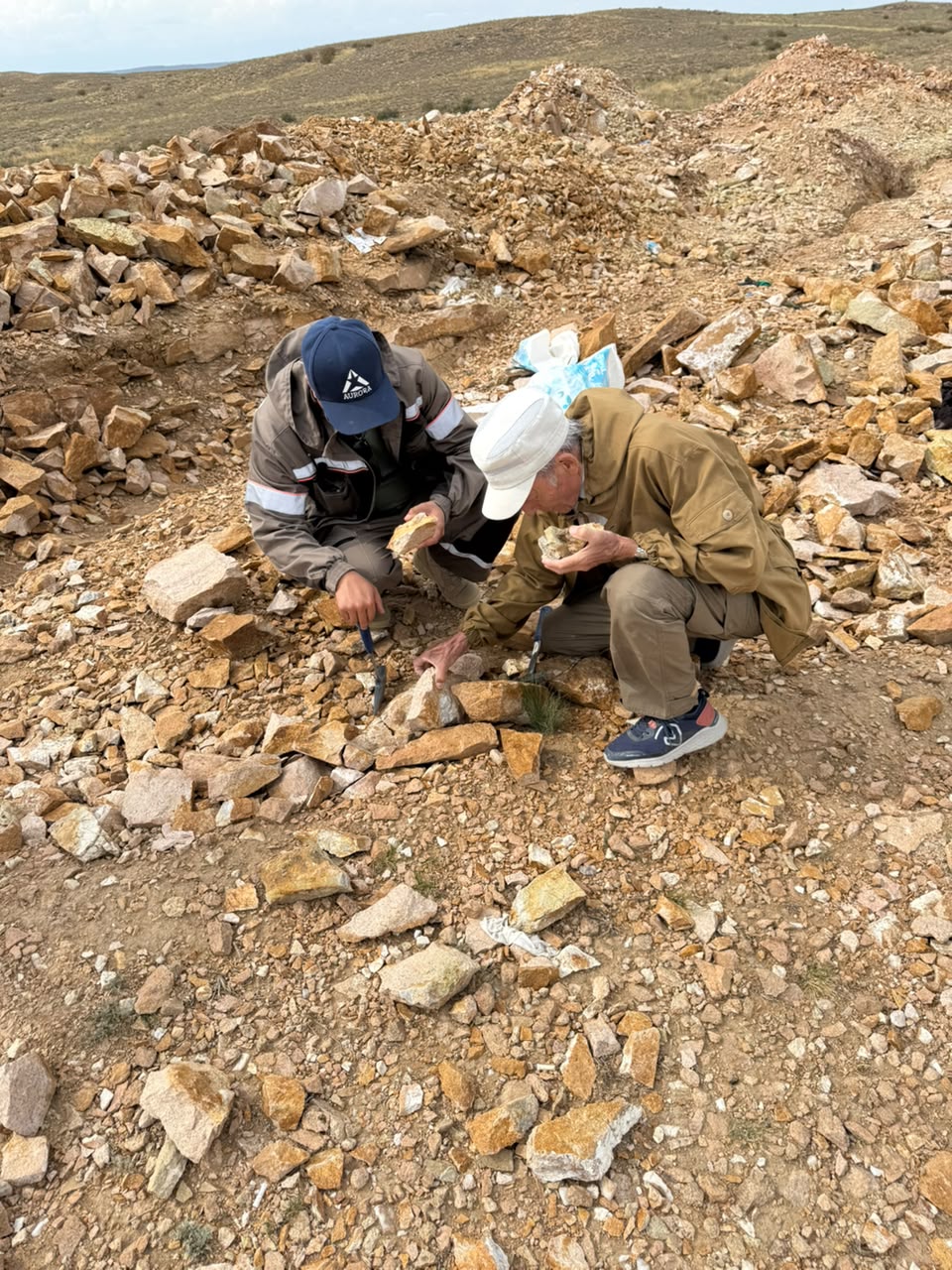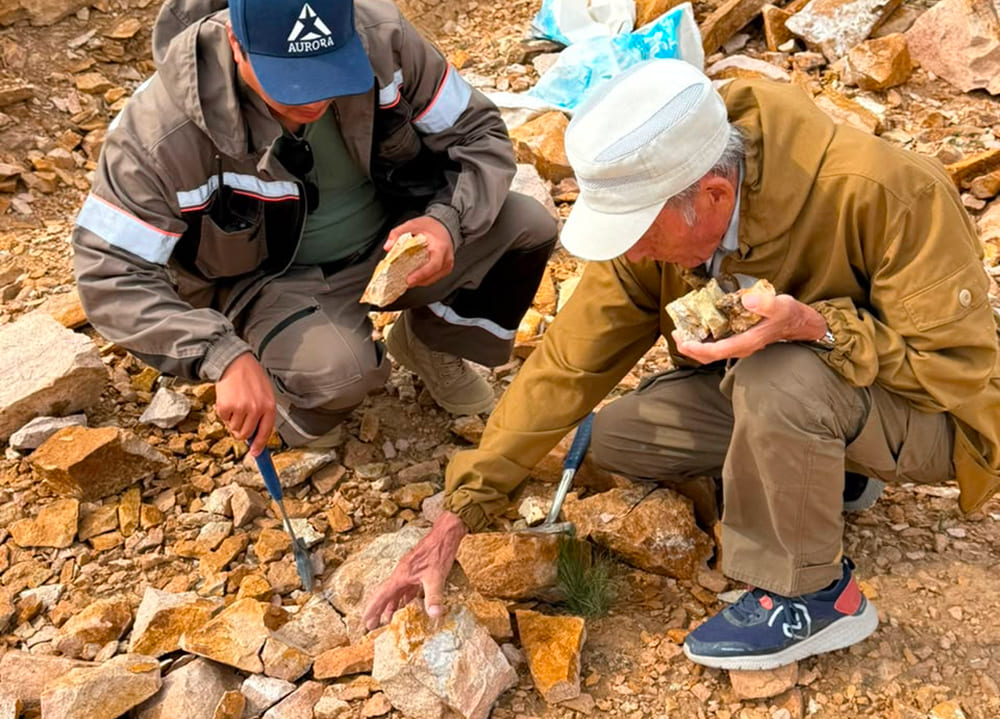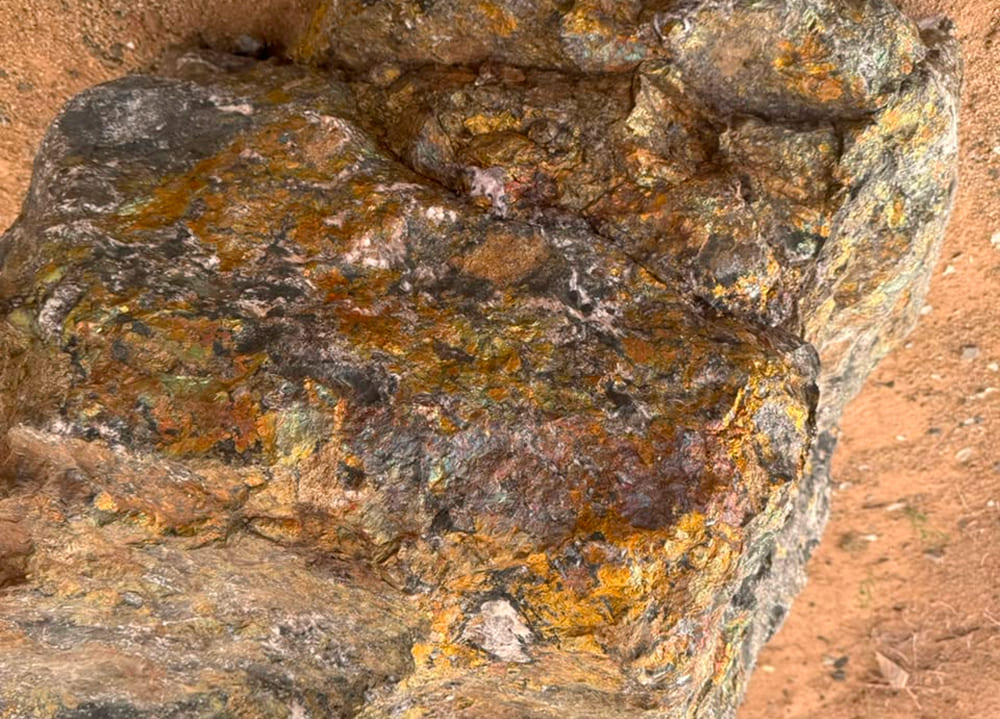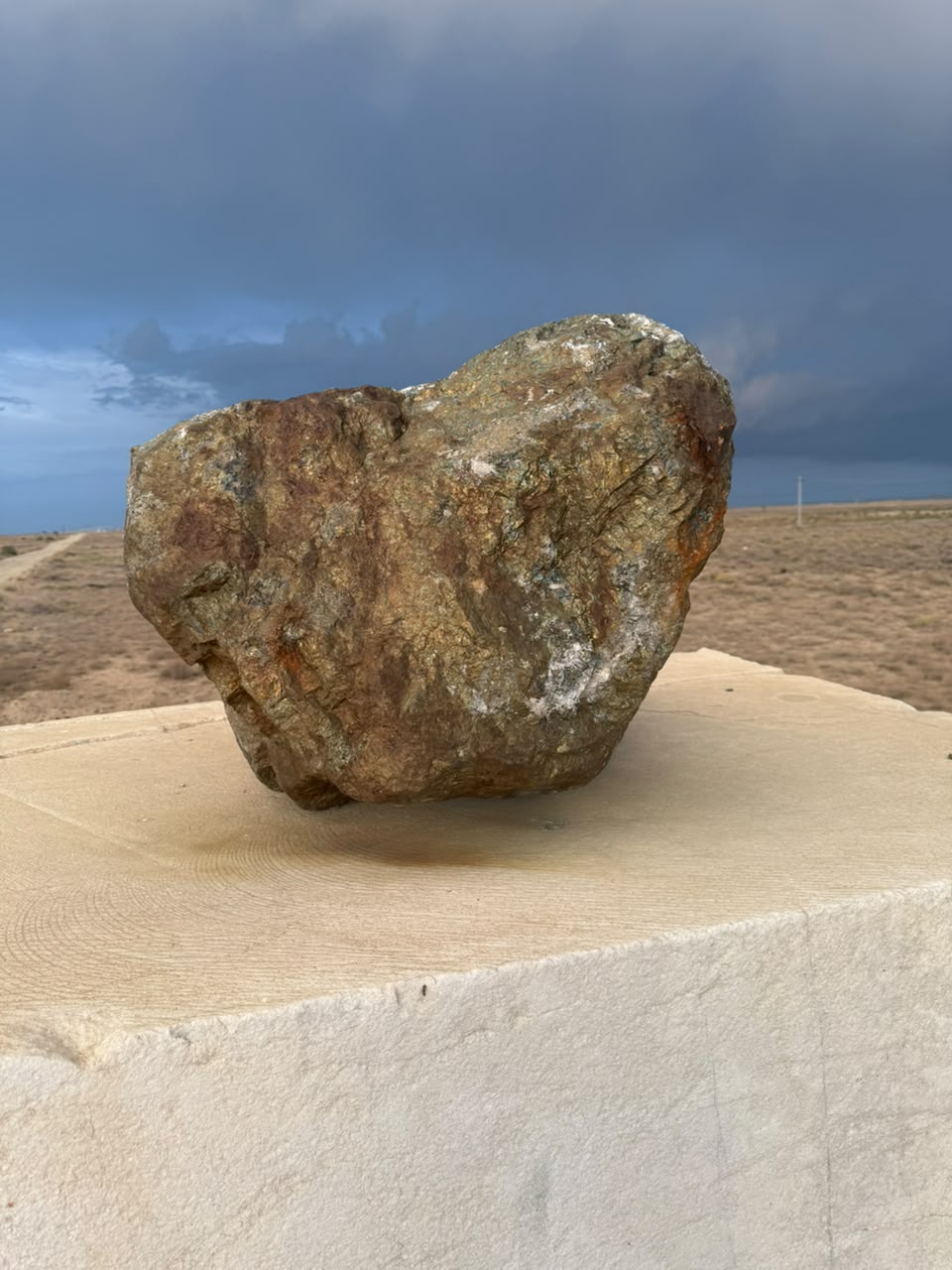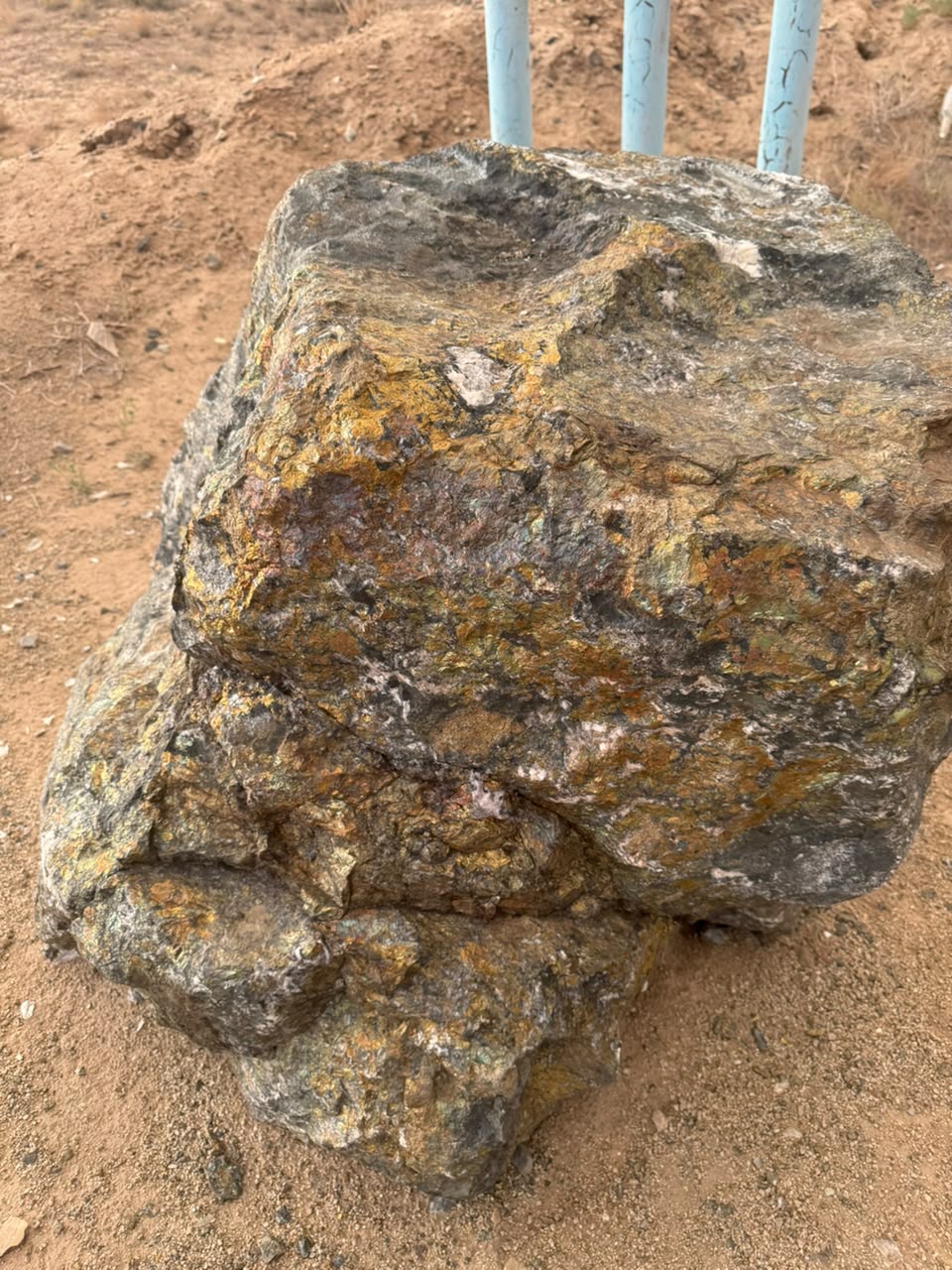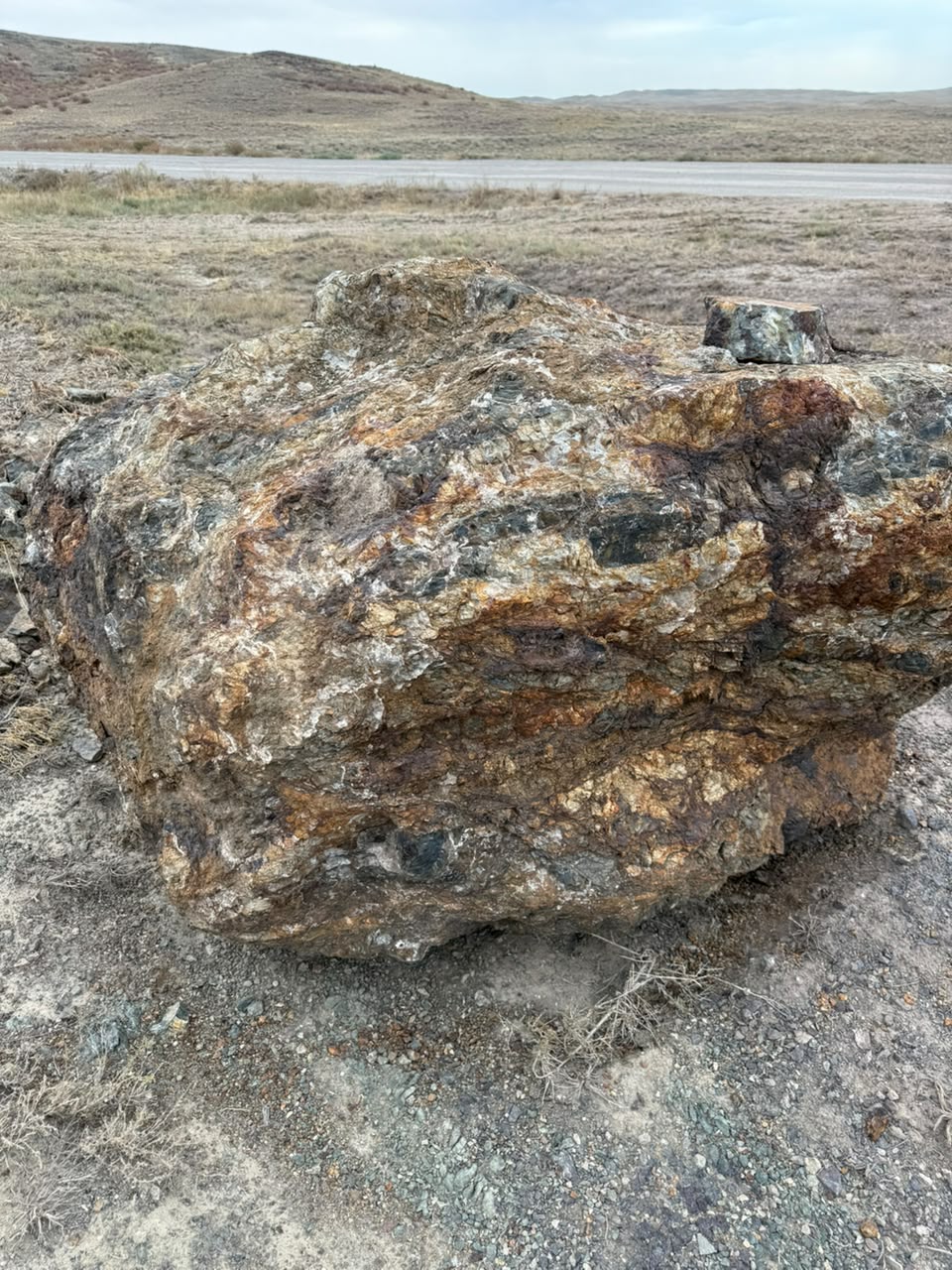

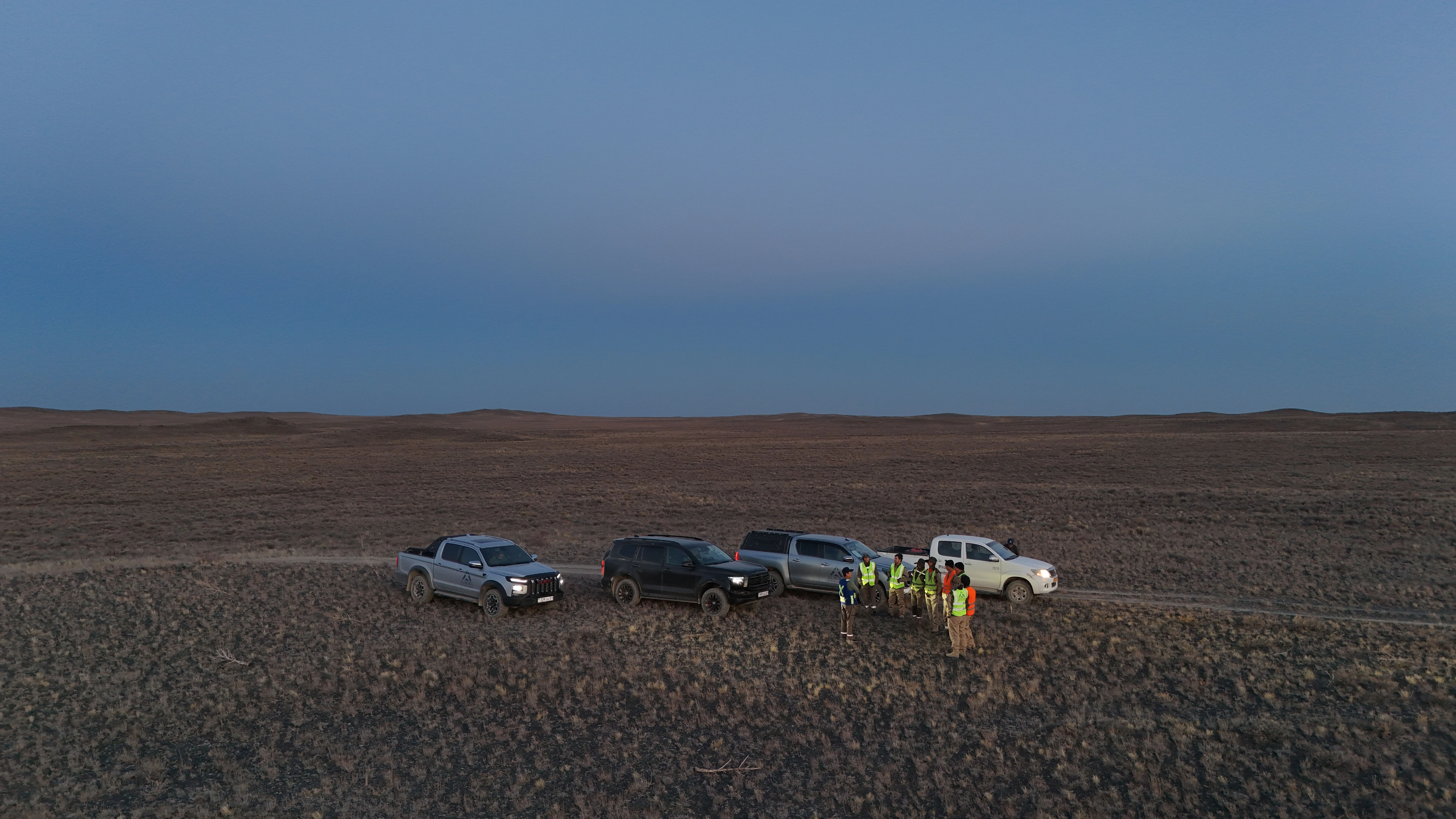
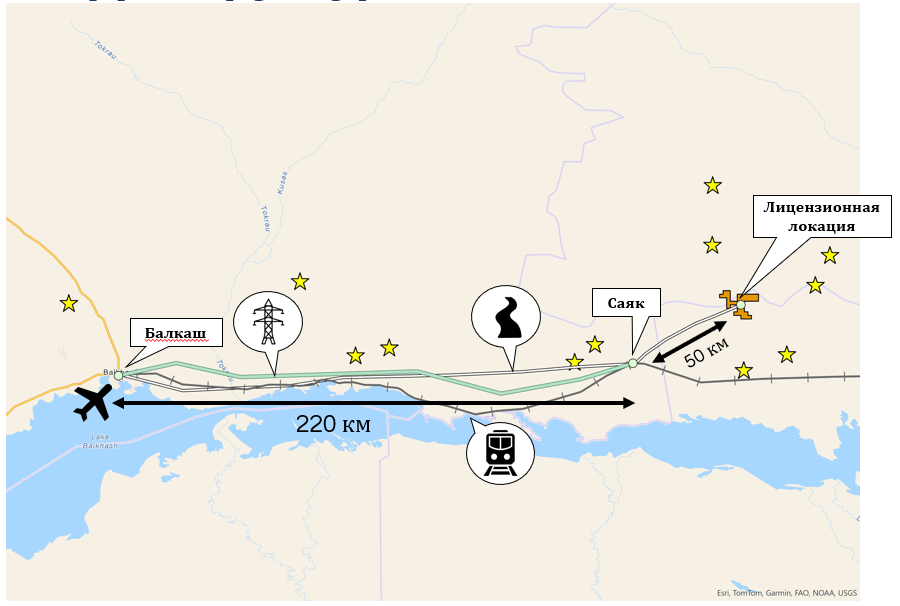
Globmine Resources comprises several exploration licences covering a total area of approximately 350 km², expanded from the original 80 km². The project is located in an area with a long history of artisanal gold mining. Artisanal gold mining has commenced at the Port Royal site, indicating the presence of near-surface gold mineralization.
Today, Globmine is advancing the project through a systematic, data-driven geological exploration program aimed at confirming and expanding the identified mineralization zones, as well as conducting a comprehensive evaluation of six prospective targets within the project area.
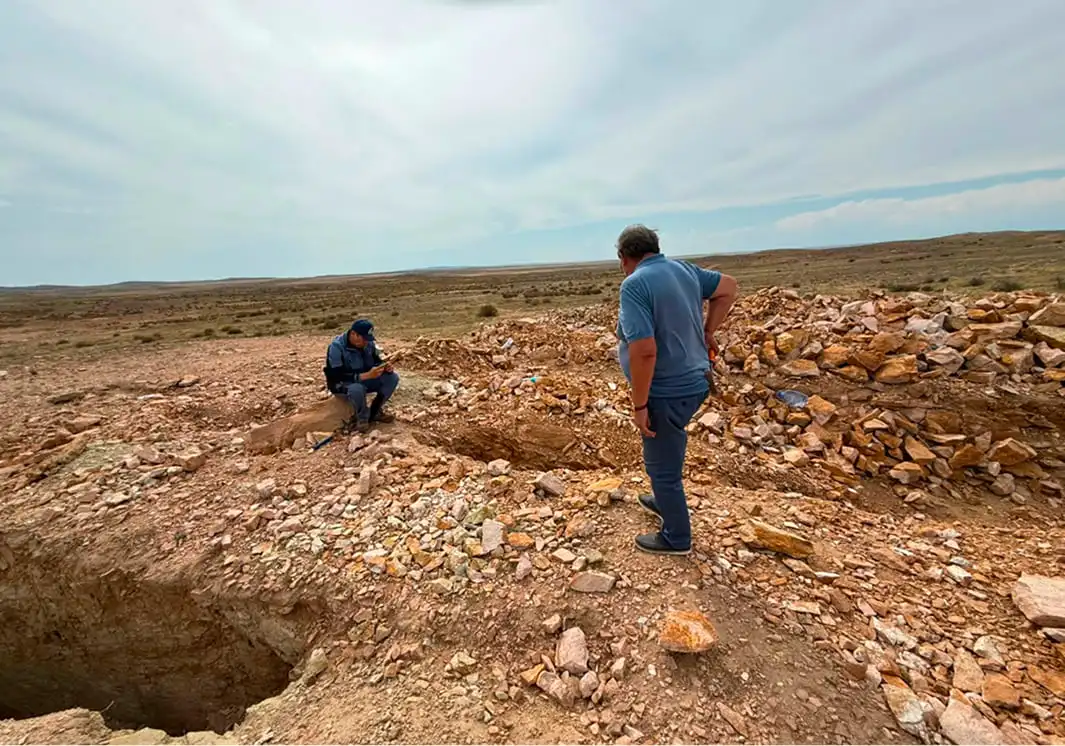
Northern Balkhash is one of Kazakhstan’s key gold-bearing regions
Globmine’s license area is located at the junction of two major regional structures—the North Balkhash Megasyncline and the Balkhash Meganticline—separated by the Predchingiz Syncline. It is precisely along these structures that the main gold and gold-copper deposits of Northern Balkhash are concentrated.
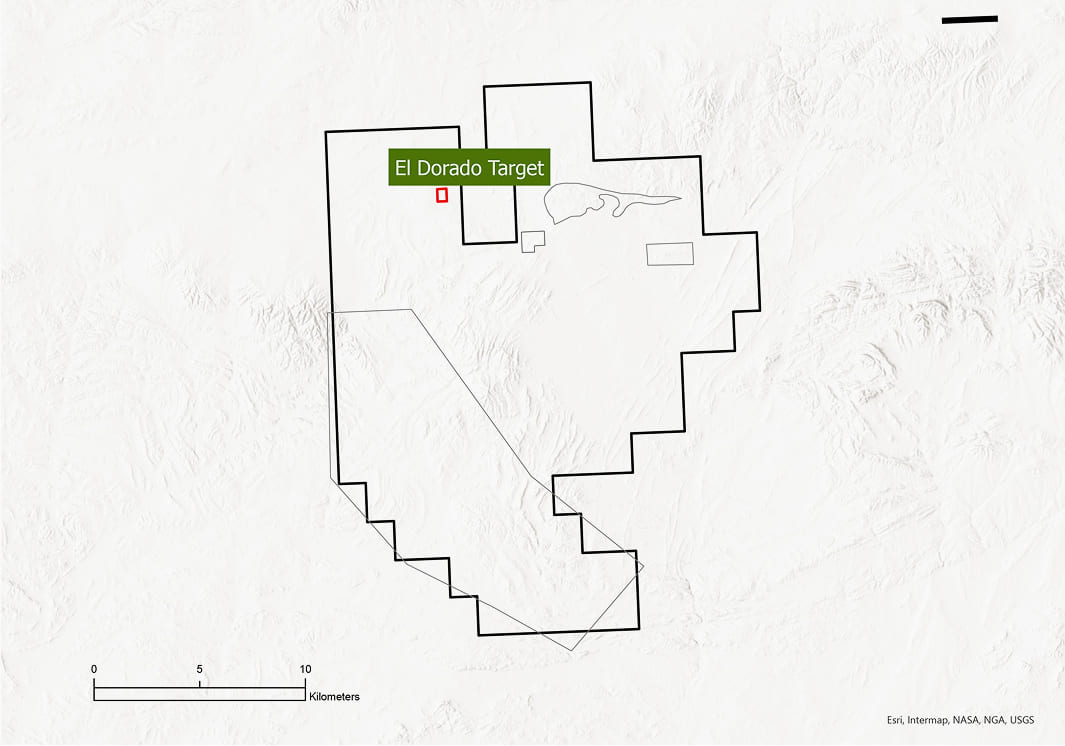
The priority target is a network of quartz veins.
The ore bodies consist of a network of thin quartz veins developed in a tectonically weakened zone along a northeast-trending fault. This is one of two targets with a previously confirmed preliminary resource estimate and the highest gold grades on the project.
Assay results:
· Trenching: Au up to 16.6 g/t; Sn up to 15 ppm; Mo up to 20 ppm; As up to 30 ppm
· Drill holes (historical): Au up to 2.4 g/t; W up to 30 ppm
Preliminary Resource Estimate (P2): ~296,000 ounces of Au at a grade of 6.9 g/t
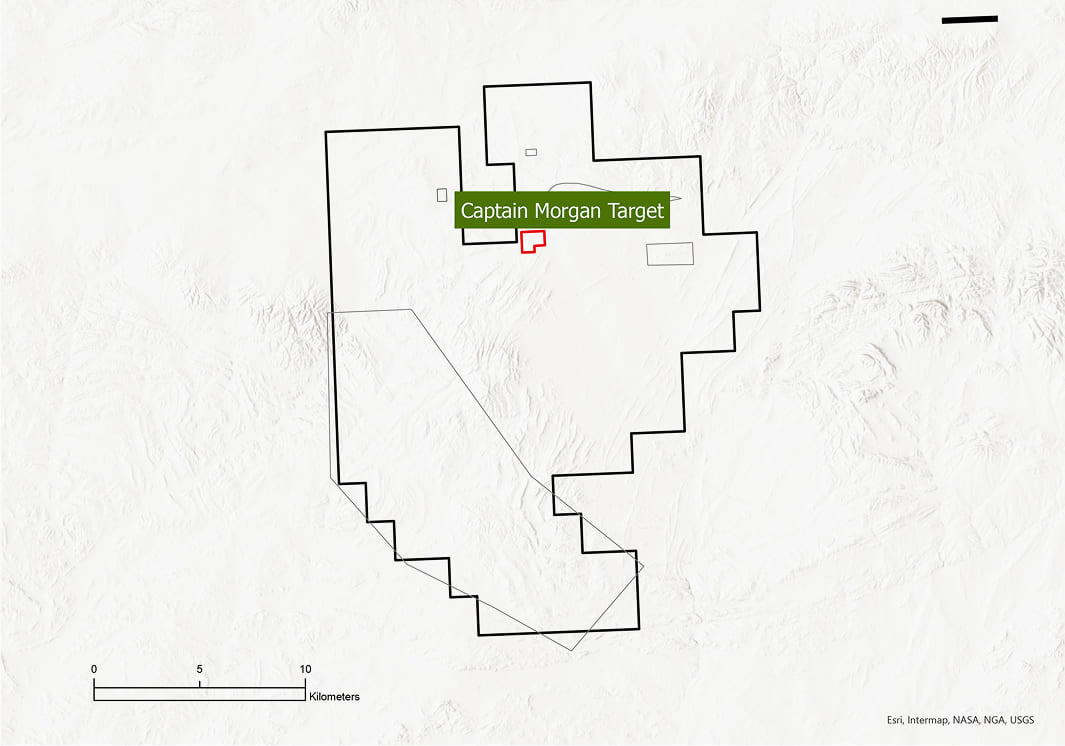
The primary objective is mineralization associated with dykes
The quartzification zone is spatially linked to a northeast-trending granite-porphyry dyke, with carbonaceous siltstones serving as the host rocks.
This is the area with the most complete geochemical spectrum on the project—in addition to gold, silver, molybdenum, arsenic, bismuth, and tungsten are consistently detected, indicating a well-developed hydrothermal system.
Sampling results:
· Trench samples: Au up to 11.8 g/t; Ag up to 2.3 g/t; Mo up to 0.08%; As up to 5%; Bi up to 50 ppm; W up to 40 ppm
· Drill holes (historical): Au up to 0.9 g/t; Mo up to 0.008%; As up to 0.25%; Bi up to 100 ppm; W up to 40 ppm
Preliminary Resource Estimate (P2): ~73,000 ounces of Au at a grade of 2.95 g/t
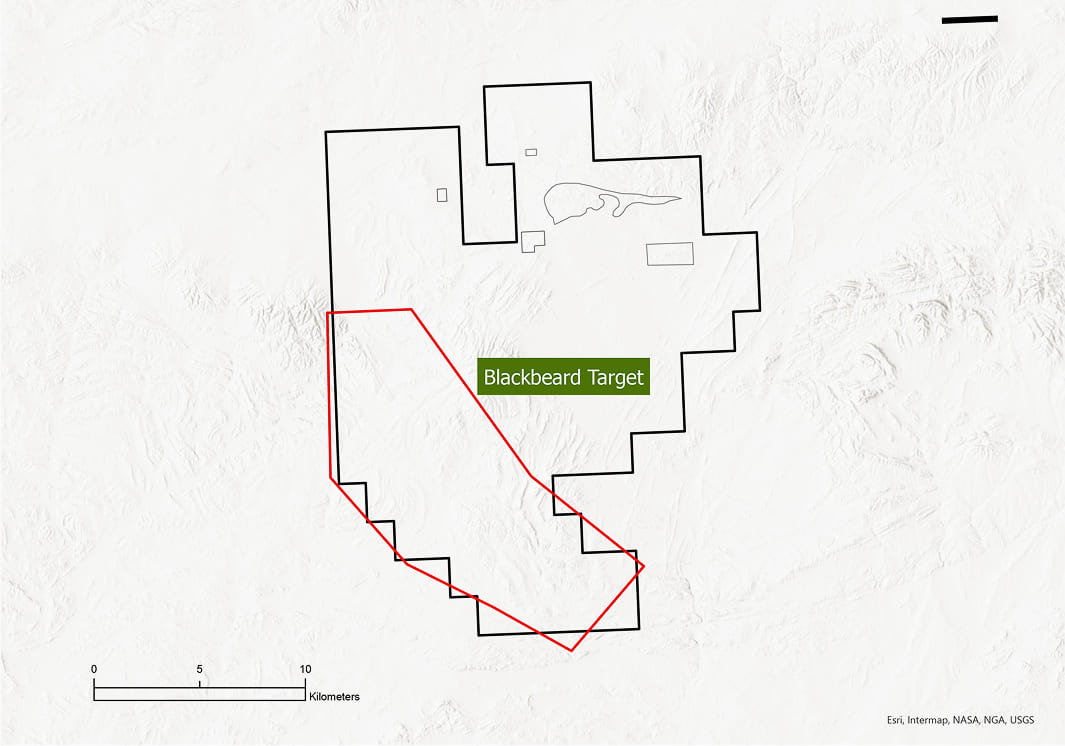
The target of interest is hidden mineralization.
The area consists primarily of terrigenous host rocks developed at the exocontact of the Besobinsky granite massif. The diagnostic As–Mo–Cu–Co–Pb–Ag geochemical association delineates a well-developed mineralized system—the anomalies outline a prospective ore field with the potential for hidden (non-surface) gold mineralization of the quartz vein and quartz-adularia types. The geochemical signature also indicates possible associated tin mineralization.
Blackbeard is the project’s largest target in terms of potential, yet it is the least studied: this is the first time a modern assessment of the site has been conducted.
Preliminary Resource Estimate (P3): ~457,000 ounces of Au
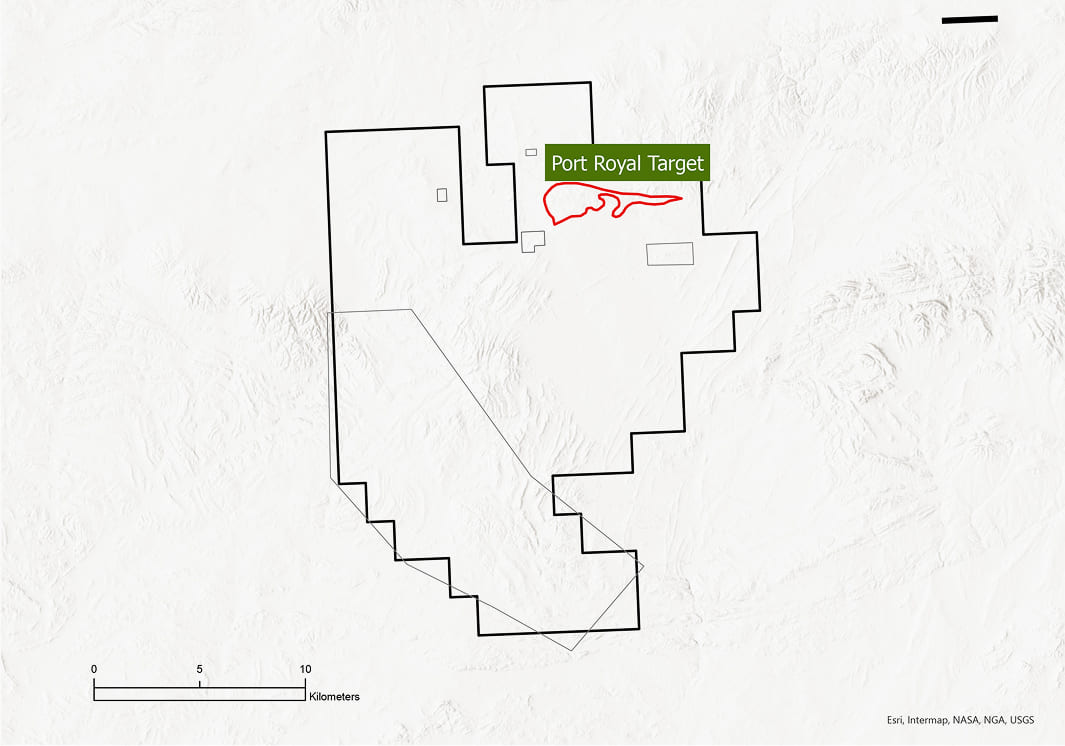
The target with short-term mining potential is ore and placer gold.
Artisanal gold mining is currently underway at the site. As of a site visit in September 2025, three areas of artisanal activity had been identified; in one of them, selective mining of the ore body was being conducted to a depth of 10–16 m with an ore thickness of 1–1.3 m, and the extracted ore contained native gold. In the other two zones, prospectors are processing deluvial deposits using the dry-washing method.
No exploration for primary gold mineralization has ever been conducted within the site—the very fact of long-term artisanal mining indicates the presence of an ore source upstream of the dispersion zone. A water intake well is located 3.5 km east of the mining zone—an important infrastructure element for future operations.
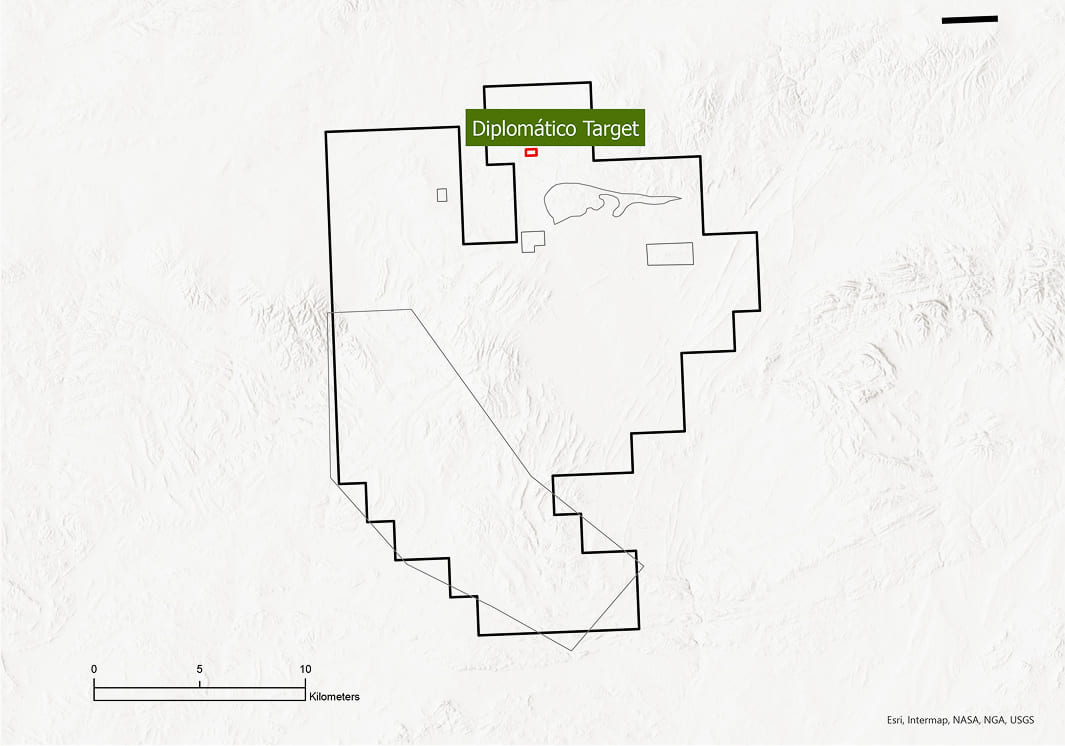
Current Objective—Mineralization Associated with a Granite Dike
The gold-bearing mineralization is spatially associated with a granite-porphyry dike and is characterized by fine-veined quartz veining and pyrite mineralization.
Assay results:
· Trenches: Au up to 1.0 g/t; Cu up to 0.02%; Mo up to 0.005%; Bi up to 300 ppm; Sn up to 40 ppm; W up to 800 ppm
· Drill holes (historical): Au up to 2.6 g/t; Cu up to 0.03%; Ag up to 1.8 g/t; Mo up to 0.005%; Bi up to 100 ppm; W up to 60 ppm
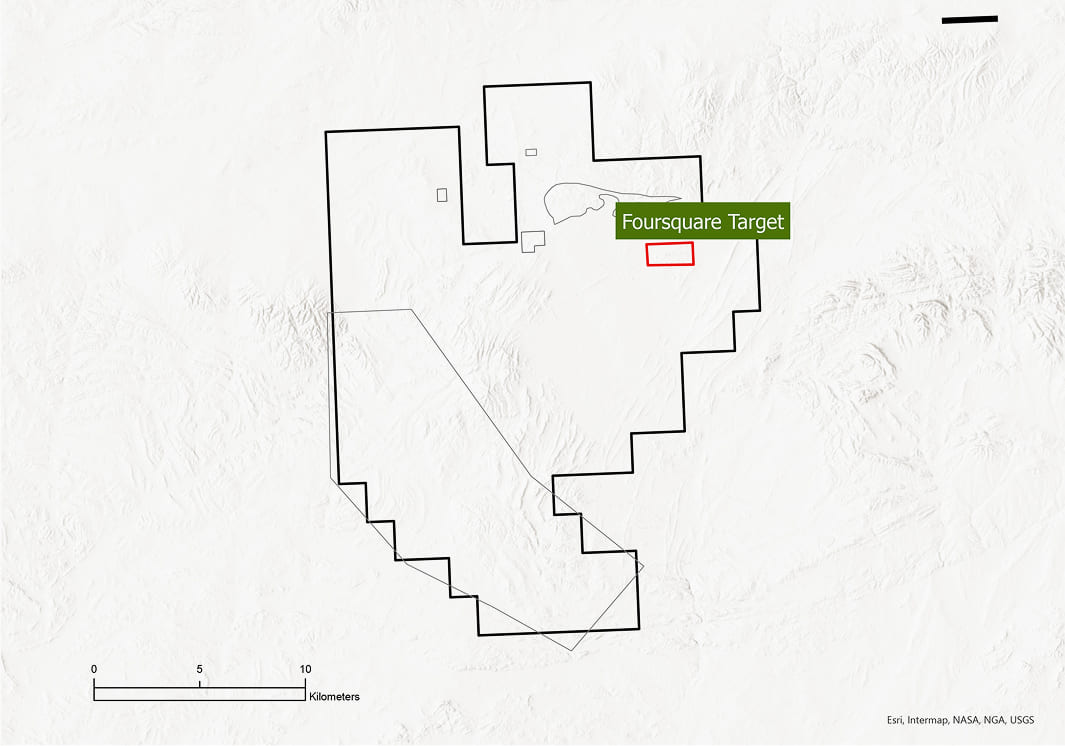
Target Area—Vein Zone Associated with Diorite Dykes
Quartz veins and veins with pyrite and arsenopyrite inclusions are developed along the quartz-rich dykes of diorite porphyries.
Assay results:
· Trench samples: Au up to 0.4 g/t; Cu up to 0.06%; Mo up to 0.005%; As up to 0.12%; Bi up to 40 ppm; Sn up to 40 ppm; W up to 150 ppm
· Boreholes (historical): Au up to 1.4 g/t; Mo up to 0.003%; As up to 1.25%; Bi up to 80 ppm; Sn up to 60 ppm; W up to 100 ppm
| Prospect | Type | Best Au (Trenches) | Best Au (Drilling) | Resource |
|---|---|---|---|---|
| El Dorado | Quartz veins | 16.6 g/t | 2.4 g/t | P2 ~296 koz @ 6.9 g/t |
| Captain Morgan | Dyke-hosted mineralization | 11.8 g/t | 0.9 g/t | P2 ~73 koz @ 2.95 g/t |
| Blackbeard | Blind mineralization | — | — | P3 ~457 koz |
| Port Royal | Lode/placer gold | — | — | Artisanal mining; no exploration conducted |
| Diplomático | Dyke-hosted mineralization | 1.0 g/t | 2.6 g/t | Not evaluated |
| Foursquare | Vein zone | 0.4 g/t | 1.4 g/t | Not evaluated |
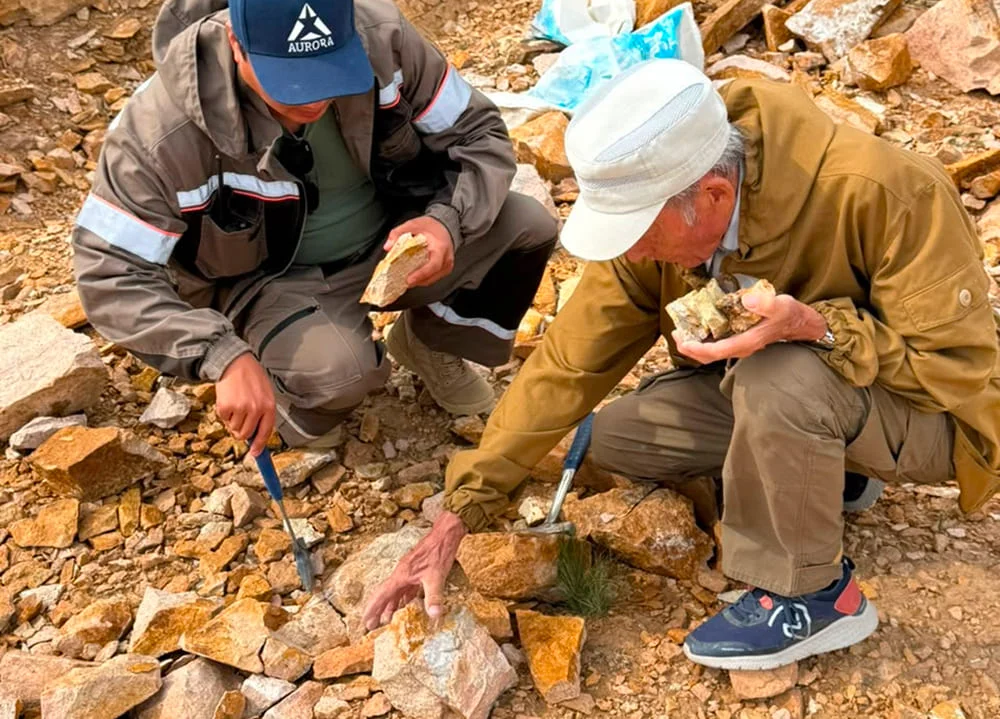
At this stage, Aurora Minerals Group is managing and coordinating geological exploration work on the Globmine Resources, combining modern research methods with the expertise of the region’s leading specialists.
The project has enlisted the services of independent, recognized geologists and experts with many years of experience in the Sayak region, including Erlan Nabiev and Daulet Muratbekov. Their practical experience and in-depth knowledge of the geology of Northern Balkhash are being used to interpret the data collected, refine the geological model, and identify prospective mineralization zones.
As part of the current program, geochemical and geophysical surveys are being conducted, the results of which will be used to rank targets and prepare for the next stages of geological exploration—trenching and drilling.
The project’s approach is based on a combination of the regional geologists’ many years of experience, modern geophysical methods, remote sensing, 3D geological modeling, and CRIRSCO international reporting standards.
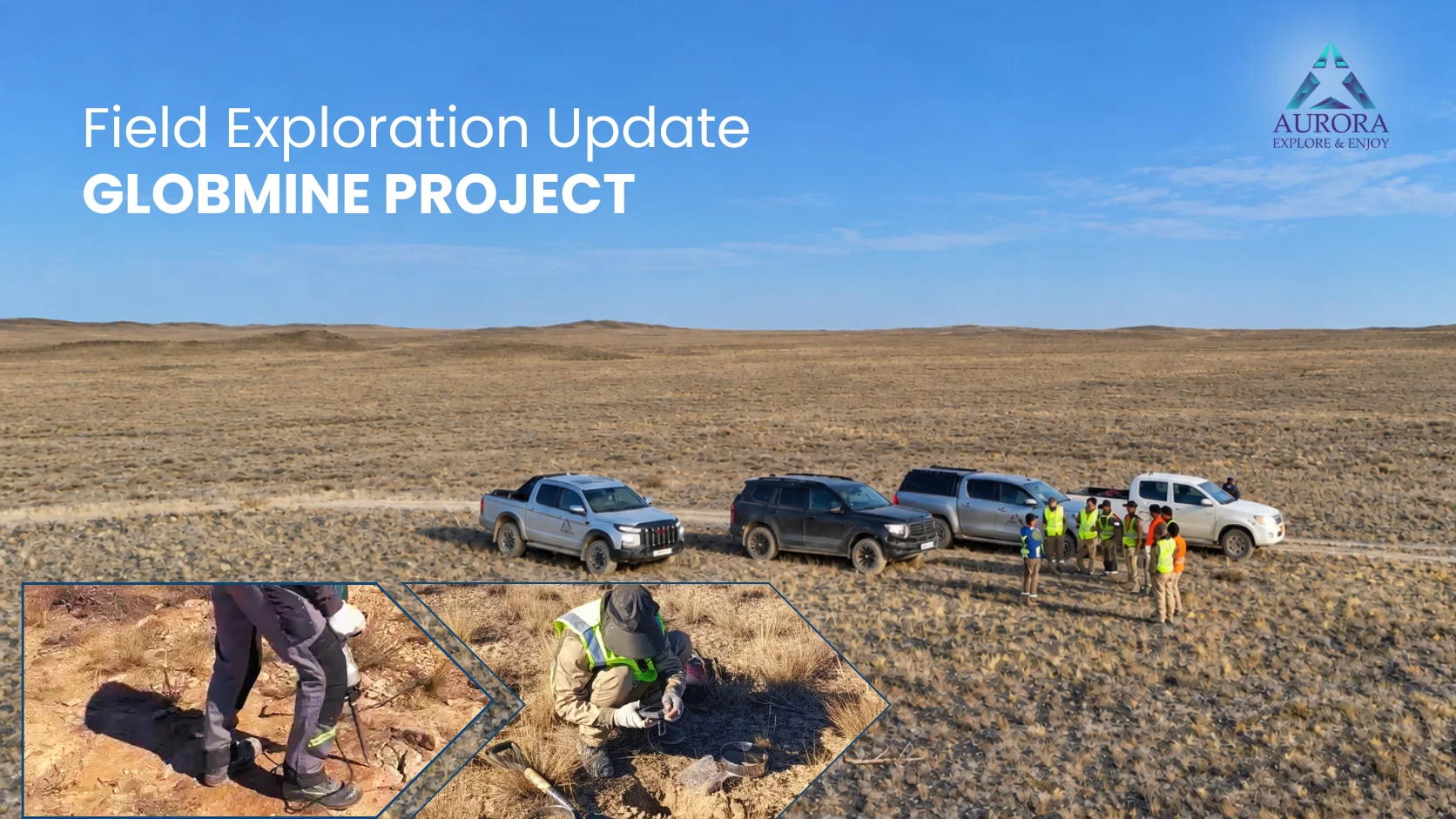
More than 15,000 lithogeochemical samples have been collected at Globmine, and sampling within the granite massif has been completed. Samples are being analysed with a portable pXRF analyser, and selected samples will then be sent to the laboratory for gold assay. Geological mapping (over 300 line-km) is nearing completion, and the Aurora Geophysics team has started a ground magnetic survey of approximately 800 line-km. The next stage will identify areas where gold geochemical anomalies coincide with favourable geological and geophysical features, to plan trenching and drilling.
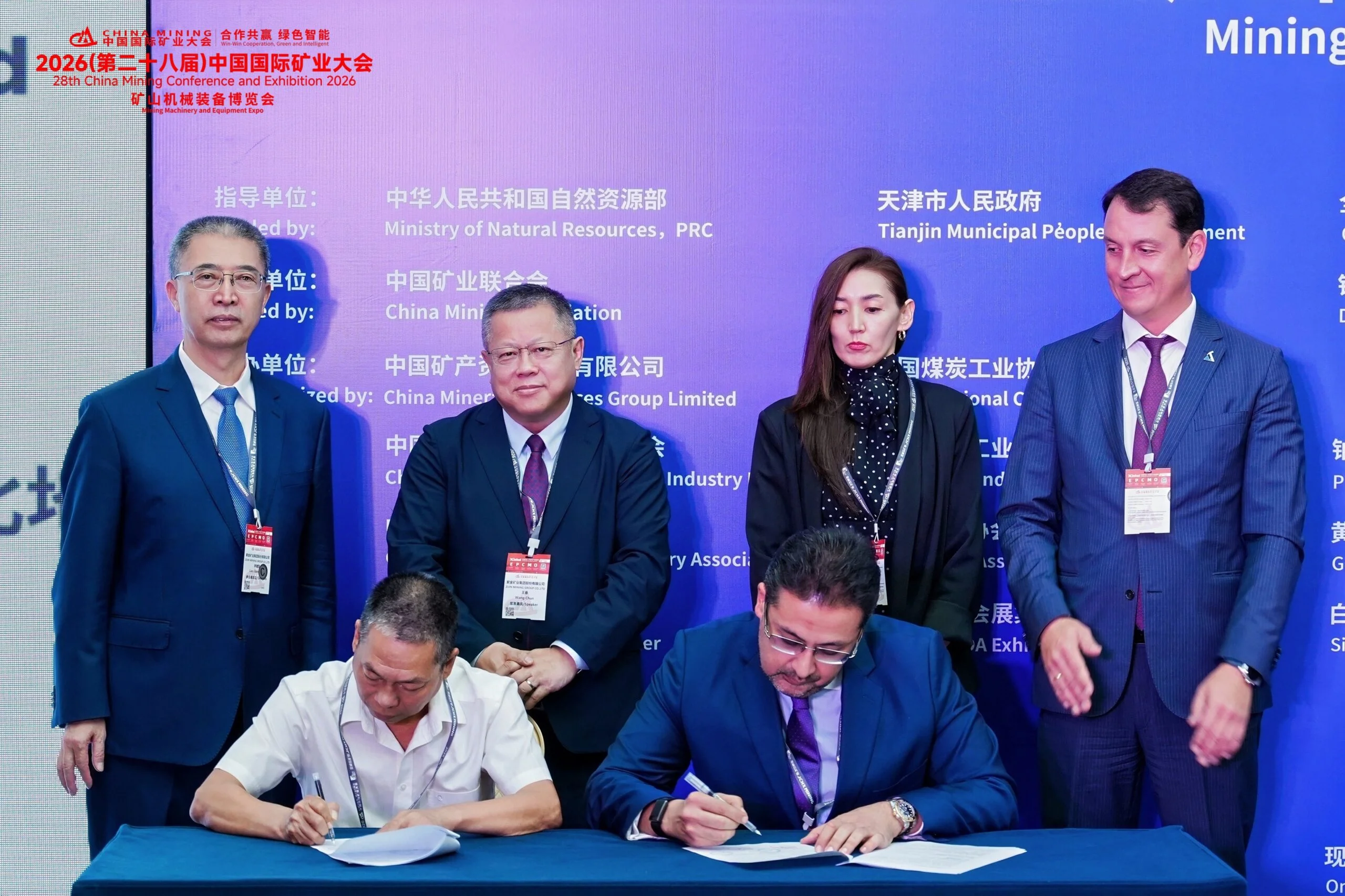
At the 28th China Mining Conference and Exhibition in Tianjin, AMG Ltd. and Zijin Mining Group Northwest Geological Exploration Co., Ltd. signed a Memorandum of Understanding on strategic cooperation in gold and critical minerals, expanding the partnership first established in 2023. The main focus is the Globmine Resources gold project in the Sayak region, covering four solid mineral exploration licences. Zijin will take part in the geological evaluation, contribute technological expertise and assess the project’s resource potential. The parties plan to set up a joint working group of technical, investment and commercial specialists.